
If you've recently received dental implants — or you're planning to — understanding how to care for dental implants is just as important as the procedure itself. With proper daily maintenance, dental implants can last 20 to 30 years or even a lifetime, making them one of the best long-term investments in your oral health. But without consistent care, implants are vulnerable to peri-implantitis (implant gum disease), bone loss, and costly complications. The good news? Keeping your implants in peak condition is simpler than most people expect. This 2026 guide walks you through everything you need to know.
Why Dental Implant Maintenance Matters More Than You Think
Many patients assume that because dental implants are made of titanium and ceramic — not natural tooth material — they're essentially maintenance-free. That's one of the most common and costly misconceptions in implant dentistry. While the implant crown itself cannot develop a cavity, the surrounding gum tissue and jawbone absolutely can suffer from bacterial infection and inflammation.
According to recent 2026 clinical data, peri-implantitis affects approximately 20–22% of implant patients over a 10-year period when proper oral hygiene is neglected. Treating peri-implantitis can cost anywhere from $500 to $3,000 or more — a steep price compared to the simple daily habits that prevent it. Think of implant care the same way you think of car maintenance: a little routine effort protects a significant investment.
The Implant-Gum Connection
Unlike natural teeth, implants don't have a periodontal ligament — the fibrous connective tissue that helps anchor teeth and signals early infection. This means your gums and bone around an implant are actually more reliant on your cleaning habits to stay healthy, since the biological warning system is reduced. Staying proactive is the only reliable strategy.
Your Daily Dental Implant Cleaning Routine
The foundation of long-term implant success is a consistent daily oral hygiene routine. The following steps should be non-negotiable for every implant patient, whether you have a single implant, multiple implants, or a full-arch solution like All-on-4.
Brushing: Tools and Technique
Brush at least twice daily — morning and before bed — using a soft-bristled toothbrush or a low-abrasion electric toothbrush. Firm or medium bristles can scratch the surface of implant crowns and irritate the surrounding gum tissue over time. Use a non-abrasive, low-fluoride toothpaste; avoid whitening toothpastes with harsh scrubbing agents.
- Hold the brush at a 45-degree angle to the gumline — same technique as natural teeth.
- Spend at least two minutes brushing, giving extra attention to the area where the crown meets the gum.
- For All-on-4 or full-mouth implant bridges, a sulcabrush or end-tuft brush is excellent for cleaning under the bridge and around abutments.
Flossing and Interdental Cleaning
Standard floss works for single implants, but implant-specific floss (like Oral-B Superfloss) or a water flosser (oral irrigator) is often more effective and gentler on implant hardware. Water flossers, such as the Waterpik, are particularly recommended for patients with implant-supported bridges or All-on-4 restorations where traditional flossing is difficult.
- Floss at least once per day, ideally before bedtime.
- Use a gentle C-shape motion around the implant post — avoid snapping floss aggressively into the gumline.
- Interdental brushes (proxy brushes) are ideal for cleaning the gaps between implant crowns and bridge structures.
Diet and Lifestyle Habits That Protect Your Implants
What you eat and how you live directly affects the longevity of your dental implants. Most dentists recommend a relatively normal diet once implants are fully integrated (osseointegration typically takes 3–6 months), but certain habits can accelerate wear and risk implant failure.
Foods to Enjoy and Foods to Limit
You don't need to live on soft foods forever, but being mindful of your diet pays off significantly over decades of implant use.
- Enjoy freely: Lean proteins, vegetables, fruits, whole grains, dairy — these support gum and bone health.
- Limit or avoid: Extremely hard foods (ice, hard candies, popcorn kernels), sticky candies and caramels, and excessive sugar that feeds harmful oral bacteria.
- Be cautious with: Chewing on ice, fingernails, or pen caps — these habits can fracture implant crowns or damage abutment screws.
Smoking, Alcohol, and Implant Success Rates
If there's one lifestyle factor that consistently damages implants, it's smoking. Research published in 2025 and reinforced by 2026 clinical summaries shows that smokers have an implant failure rate up to 2.5 times higher than non-smokers. Smoking restricts blood flow to the gums, slows healing, and promotes the bacterial conditions that lead to peri-implantitis. Excessive alcohol consumption similarly impairs healing and bone density over time. If you're serious about protecting your implant investment — which often ranges from $1,500 to $6,000 per implant — quitting or significantly reducing smoking is one of the most impactful decisions you can make.
Professional Check-Ups: Your Implant's Best Defense
Daily home care is essential, but it's only half the equation. Regular professional visits allow your implant dentist to catch problems before they escalate — and to perform cleaning around implant surfaces that home tools simply can't reach.
How Often Should Implant Patients See a Dentist?
Most implant dentists recommend professional cleanings and check-ups every 3 to 6 months for the first two years after implant placement, then bi-annually once your oral health is stable. At these visits, your dentist or hygienist will:
- Use non-metal, plastic or Teflon-coated instruments to clean around implants without scratching titanium or ceramic surfaces.
- Take periodic X-rays to monitor bone levels around the implant post.
- Check torque on abutment screws and assess crown integrity.
- Screen for early signs of peri-implant mucositis (the precursor to peri-implantitis) — which is reversible when caught early.
Don't skip these appointments to save money. Treating a failing implant is dramatically more expensive than preventing the problem in the first place.
Night Guards for Implant Protection
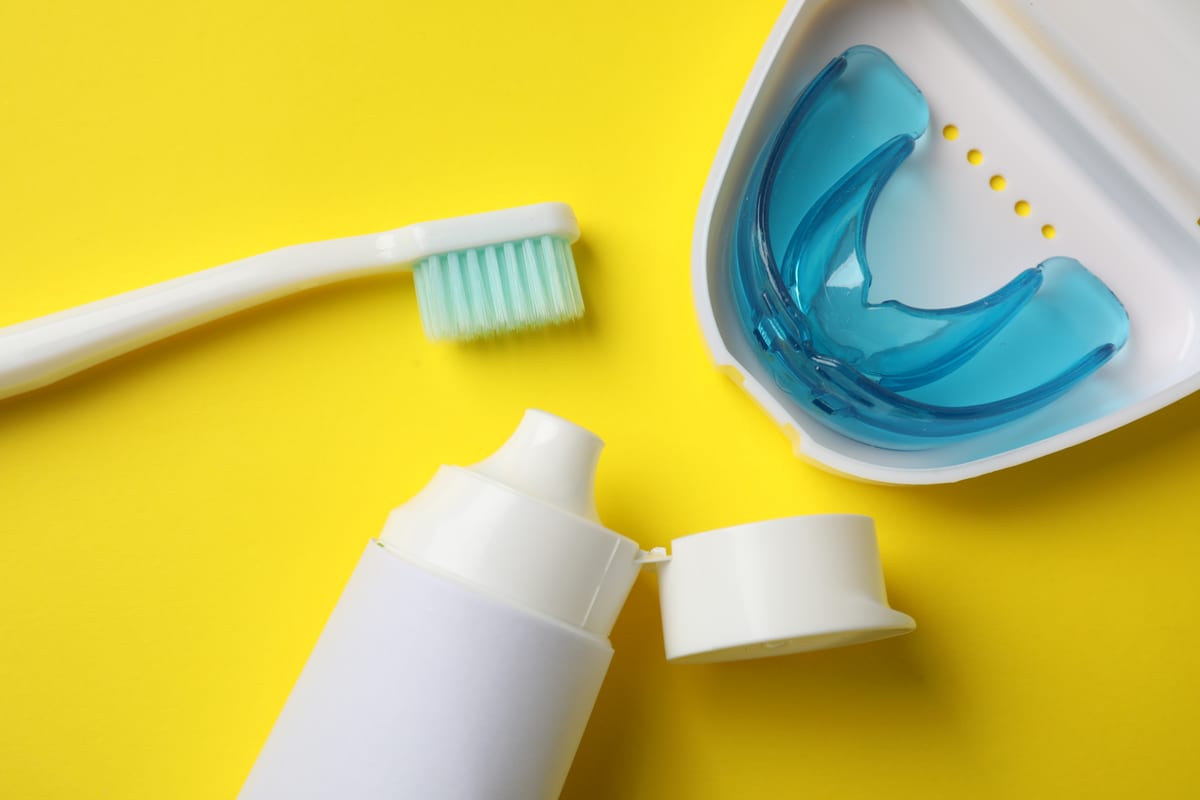
If you grind your teeth at night (bruxism), a custom-fitted night guard is not optional — it's essential. Bruxism generates forces up to 10 times greater than normal chewing and is one of the leading causes of implant crown fracture and screw loosening. A professionally made night guard typically costs $300–$700 and can protect thousands of dollars of dental work. Ask your implant dentist at your next visit if you're a candidate.
Special Considerations for All-on-4 and Full-Mouth Implant Care
Patients with full-arch implant restorations like All-on-4 or implant-supported dentures have a few additional maintenance considerations. Because the prosthetic bridge spans the entire arch and sits close to the gumline, food debris and bacteria can accumulate underneath the bridge if not addressed daily.
- Use a water flosser on a low-to-medium setting directed underneath the bridge after every meal when possible, and at minimum once per day.
- Your dentist will periodically remove the prosthesis for a professional deep clean — typically once or twice per year — which is a normal and important part of full-arch implant maintenance.
- Avoid using standard denture cleaners or bleach-based products on implant-supported prosthetics unless your dentist specifically recommends them, as these can damage connector components.
Frequently Asked Questions
Can dental implants get cavities?
No — the implant crown itself is made from ceramic or porcelain and cannot decay the way natural tooth enamel does. However, the gum tissue and bone surrounding the implant can become infected (peri-implantitis), which is why daily cleaning is still critical. Think of it as protecting the foundation rather than the tooth.
What toothpaste is safe to use on dental implants?
Use a non-abrasive, low-fluoride toothpaste without harsh whitening agents or baking soda as a primary ingredient. Brands that market "gentle" or "sensitive" formulas are generally implant-safe. Ask your implant dentist to recommend a specific product based on your crown material.
How long do dental implants last with proper care?
With consistent daily maintenance and regular professional check-ups, dental implants can last 20 to 30 years or a lifetime. The implant post (the titanium screw fused to the bone) is the most durable component; the crown on top may need replacement after 10–15 years due to normal wear.
Is a water flosser better than regular floss for implants?
For many implant patients — especially those with multiple implants, implant bridges, or All-on-4 restorations — a water flosser is more effective at removing debris from hard-to-reach areas and is gentler on gum tissue. Ideally, use both: water floss first to dislodge debris, then follow up with implant-specific floss or an interdental brush.
What are the early warning signs of implant problems?
Watch for these red flags and contact your implant dentist promptly if you notice any of them: bleeding or swollen gums around the implant, unusual pain or pressure, a feeling that the crown is loose or shifting, persistent bad breath that doesn't improve with brushing, or visible recession of the gum around the implant post.
Do I need a special mouthwash for dental implants?
An alcohol-free antimicrobial mouthwash (such as a chlorhexidine rinse prescribed by your dentist, or an over-the-counter alcohol-free option) is recommended for implant patients. Alcohol-based mouthwashes can dry out and irritate the soft tissue around implants over time. Use mouthwash as a supplement to brushing and flossing — not a replacement.
Conclusion: Protect Your Smile and Your Investment
Dental implants are one of the most life-changing investments you can make in your health, confidence, and quality of life — but they reward the patients who take care of them. By brushing twice daily with the right tools, flossing or water-flossing consistently, eating a balanced diet, avoiding harmful habits like smoking, and keeping up with professional check-ups every few months, you give your implants the best possible chance at lasting decades. The effort is minimal compared to the reward. Whether you're exploring your first implant or managing a full-arch restoration, finding the right implant dentist is your first step. Visit Top5ImplantDentist.com to compare top-rated implant specialists in your area and take control of your long-term oral health today.