If you've been told you need a tooth replacement and started Googling prices, you've probably felt a little shell-shocked. Dental implants are one of the best long-term investments you can make for your oral health — but the upfront numbers can feel overwhelming. That's exactly why we've put together this complete dental implant cost breakdown for 2026, so you know precisely what you're paying for, what's optional, and where there's real room to save money without sacrificing quality care.
What Does a Single Dental Implant Actually Cost in 2026?
For a single tooth replacement, most patients in the United States can expect to pay between $3,000 and $6,000 per implant in 2026. That wide range exists because implant pricing is rarely a flat fee — it's a bundle of individual procedures and components that add up. Understanding each piece is the first step to budgeting confidently.
The Three Core Components You're Paying For
Every single-tooth implant involves three distinct parts, and each carries its own cost:
- The implant post (titanium screw): $1,000–$2,000. This is the fixture surgically placed into your jawbone. It acts as the artificial tooth root.
- The abutment: $300–$600. This connector piece sits on top of the post and anchors the crown.
- The dental crown: $1,000–$2,500. The visible portion of your new tooth, custom-made to match your natural teeth in color and shape.
On top of these three components, your quote will likely include consultation fees, X-rays, 3D cone beam CT scans ($150–$400), and any necessary extractions or bone grafting procedures. Always ask your implant dentist for a fully itemized estimate — not just a single lump-sum number.
How Location Affects What You Pay
Geography plays a significant role in dental implant pricing. Patients in major metro areas like New York City, Los Angeles, or San Francisco often pay 20–40% more than those in mid-size or rural markets. If you live near a state border, it may be worth consulting dentists in neighboring regions. The implant quality and procedure are identical — only the overhead costs of running the practice differ.
Full Mouth Implant Cost Breakdown: All-on-4 and Beyond
For patients who need most or all of their teeth replaced, full-arch solutions offer a far more economical per-tooth price point. Rather than paying $4,500 per tooth across a full arch (which could total $130,000+), full-mouth implant systems consolidate costs dramatically.
All-on-4 Dental Implant Costs in 2026
The All-on-4 implant system is the most popular full-arch solution, using just four strategically angled implant posts to support a complete fixed arch of teeth. In 2026, All-on-4 pricing typically falls in these ranges:
- Single arch (upper or lower): $20,000–$30,000
- Full mouth (both arches): $40,000–$60,000
All-on-6 implants — which use six posts per arch for added stability — generally run $5,000–$10,000 more per arch but are recommended for patients with higher bite forces or specific bone density conditions. Same-day implants (also marketed as "Teeth in a Day") fall within a similar price range to All-on-4 but include the added convenience of walking out with a functional temporary arch after a single appointment.
Hidden Costs Most Patients Don't Anticipate
One of the most common reasons patients feel blindsided by their final bill is that the initial quote didn't include prerequisite procedures. Here's what can quietly add thousands to your out-of-pocket total:
Bone Grafting and Sinus Lifts
If you've had missing teeth for a year or more, your jawbone has likely experienced some degree of resorption (shrinkage). Without sufficient bone density, implants won't have anything to anchor to. Bone grafting costs between $300 and $3,000 depending on the graft size and material used. A sinus lift — needed when upper back teeth are being replaced and the sinus cavity sits too low — adds another $1,500–$3,500 per side.
Not every patient needs these procedures, but roughly 20–30% of implant candidates require at least minor grafting. A proper 3D scan at your consultation will reveal whether this applies to you.
Anesthesia, Sedation, and Post-Op Care
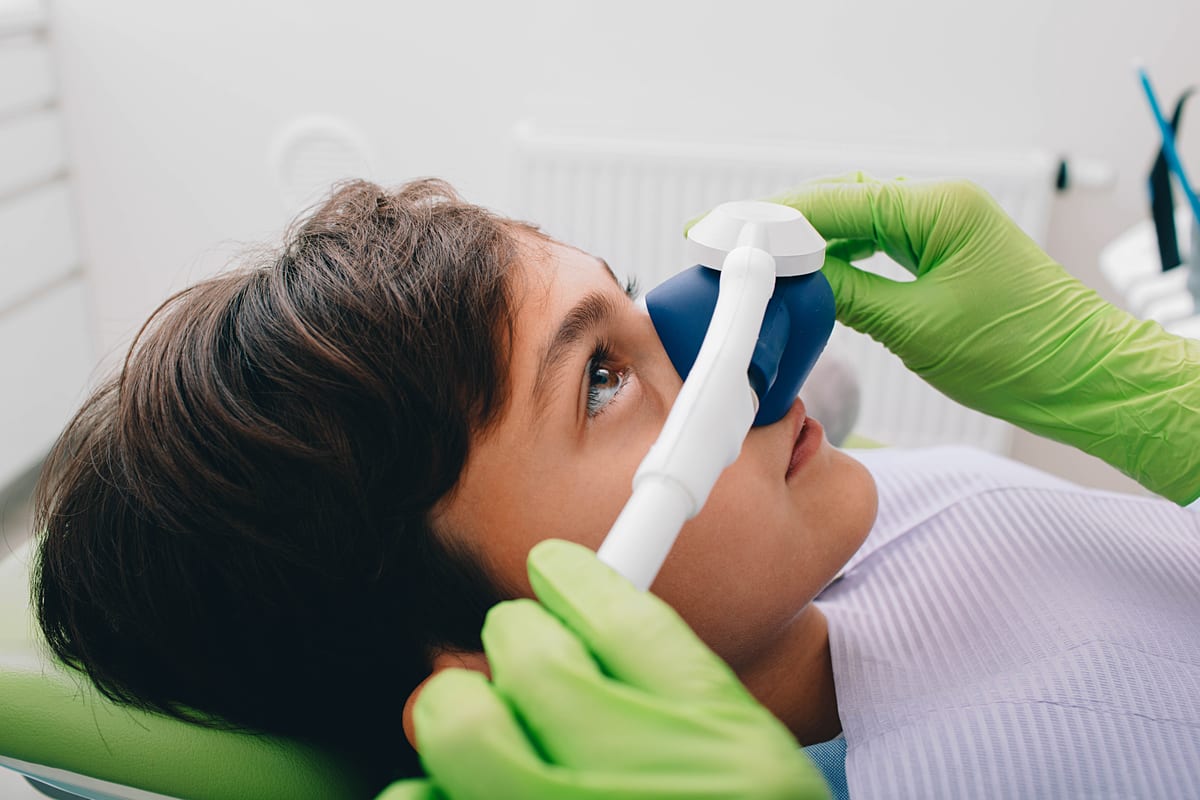
Basic local anesthesia is typically included in surgical fees. However, if you opt for IV sedation or general anesthesia — common for anxious patients or complex full-mouth cases — expect to add $500–$1,000 per hour of sedation time. Post-operative medications, including antibiotics and pain management, usually add another $50–$200. Some practices also charge separately for follow-up visits; always confirm whether these are included in your treatment plan.
Does Dental Insurance Cover Implants in 2026?
Dental insurance coverage for implants has improved meaningfully over the past few years, but it remains limited. Most traditional dental plans classify implants as a "major restorative" procedure and cover 20–50% of costs — but only up to your annual maximum, which is typically $1,000–$2,500. That means your actual reimbursement might be just $500–$1,500 on a $4,500 procedure.
Smarter Ways to Finance Your Dental Implants
The good news: you have more payment flexibility than ever in 2026. Here are the most practical options:
- CareCredit or Alphaeon Credit: Healthcare-specific credit cards that frequently offer 12–24 months of 0% promotional APR financing.
- In-house payment plans: Many implant practices now offer their own installment plans with little or no interest for established patients.
- HSA/FSA accounts: Dental implants are an IRS-approved qualified medical expense. Using pre-tax dollars effectively gives you a 20–37% discount depending on your tax bracket.
- Dental schools: Accredited dental schools offer implant procedures performed by supervised residents at 40–60% below private-practice rates. Treatment timelines are longer, but the standard of care is rigorously monitored.
- Dental tourism: Countries like Mexico, Costa Rica, and Hungary offer implant procedures at 50–70% lower costs. This option requires careful research into credentials, materials, and follow-up care logistics.
How to Get the Best Value Without Cutting Corners
Price shopping for dental implants is smart — but the cheapest quote isn't always the best value. A failed implant due to poor placement or low-grade materials can cost more to fix than the original procedure. Here's how to evaluate your options intelligently:
Questions to Ask Every Implant Dentist Before Committing
- What implant brand do you use, and is it FDA-cleared? (Look for established brands like Straumann, Nobel Biocare, Zimmer Biomet, or Dentsply Sirona.)
- Is this price all-inclusive, or are bone grafting, imaging, and follow-up visits billed separately?
- What is your implant success rate, and how many procedures have you completed?
- Do you offer any warranty or guarantee on the implant or restoration?
- What financing options are available, and what are the full terms?
Getting two or three detailed, itemized quotes gives you a solid baseline for comparison — and signals to each practice that you're a well-informed patient who expects transparency.
Frequently Asked Questions
What is the average cost of a dental implant in 2026?
The national average for a single dental implant — including the post, abutment, and crown — ranges from $3,000 to $6,000 in 2026. Full-mouth solutions like All-on-4 range from $20,000 to $30,000 per arch. Geographic location, the complexity of your case, and the implant brand used all influence your final price.
Are dental implants worth the cost compared to dentures or bridges?
In most cases, yes. While traditional dentures cost $1,000–$3,000 and bridges run $2,500–$5,500, dental implants are the only tooth replacement option that preserves jawbone density and functions like a natural tooth root. With proper care, implants can last 25 years or longer — making them more cost-effective over a lifetime than alternatives that require replacement every 7–15 years.
Does Medicare or Medicaid cover dental implants?
Traditional Medicare (Parts A and B) does not cover routine dental care, including implants. Some Medicare Advantage (Part C) plans offer limited dental benefits, but implant coverage varies widely by plan. Medicaid dental coverage differs by state and rarely includes implants for adult beneficiaries. Always verify your specific plan's benefits before assuming coverage.
How much does bone grafting add to the total implant cost?
Bone grafting can add anywhere from $300 to $3,500 to your total cost, depending on the extent of bone loss and the type of graft material required. Minor socket preservation grafts (done at the time of extraction) are on the lower end, while major ridge augmentation procedures cost more. A 3D cone beam CT scan at your consultation will determine whether grafting is necessary in your case.
Can I get dental implants with no money down?
Many implant practices offer financing through third-party lenders like CareCredit, which frequently runs promotions requiring no down payment and offering 0% APR for 12–24 months. In-house payment plans at some practices also allow patients to begin treatment with little upfront cost. Using your HSA or FSA balance can also reduce out-of-pocket stress significantly.
What's included in an All-on-4 price quote?
A comprehensive All-on-4 quote should include the surgical placement of four implant posts, the custom-fabricated fixed arch (temporary and final), all necessary imaging, and standard follow-up appointments. Extractions of remaining teeth, bone grafting, IV sedation, and any pre-surgical treatments are often quoted separately. Always request a fully itemized treatment plan before signing any financial agreement.
The Bottom Line
Understanding the full dental implant cost breakdown before you sit in the dentist's chair is one of the smartest moves you can make. From the core components of a single implant to the all-inclusive pricing of full-arch solutions, knowing what each line item covers — and what questions to ask — puts you in control of both your oral health and your budget. Don't let price uncertainty keep you from the confident smile and functional bite you deserve. To compare top-rated implant dentists near you and get transparent pricing from trusted providers, visit Top5ImplantDentist.com and find the right specialist for your needs today.